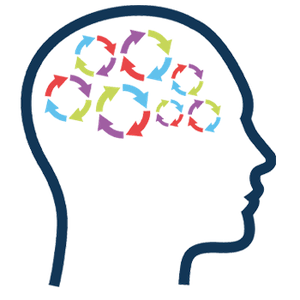

The Neuroscience Behind Effective Habit Formation for Knowledge Workers
In the fast-moving world of modern knowledge work, where inboxes overflow, deadlines press, and AI tools continue to transform daily tasks, one fundamental truth remains: our repeated daily habits shape outcomes far more powerfully than fleeting intentions. The brain responds to consistent actions, not ambitious goals. For professionals in dynamic hubs like London, New York, Boston, and San Francisco, grasping the neuroscience of habit formation provides a decisive advantage. It distinguishes those who excel in the AI era from those who simply keep pace.
In today's AI-driven workplace, even the most capable professionals are quietly falling behind. Constant alerts, new tools, and rising demands blur judgment and push strong performers into survival mode. You're not alone. Dr. Jon Finn's Train Your Brain for the AI Revolution tackles this head-on. Built on 25 years of neuroscience and behavioural science, and proven with 20,000+ professionals, the 4-Step Brain State Success Cycle™ helps you turn overwhelm into clear, sustained focus. No coding or technical expertise required. You finish high-value work faster with the human creativity AI can't replace. Click Yes, I Want The Book + FREE Planner
The Neural Foundations of Habit Formation
Each time a knowledge worker repeats a productivity ritual such as a dedicated deep-work session or an instinctive check of notifications neural pathways strengthen subtly within the brain. Cognitive neuroscience reveals that these repeated patterns transition from conscious effort to automatic behavior through the coordinated action of the basal ganglia and dopamine-driven reward systems. In stable environments, repetition converts deliberate choices into effortless habits, lowering mental effort and reserving cognitive resources for complex strategic thinking.
This mechanism holds particular relevance today. As AI-driven automation reshapes white-collar roles, the skill of deliberately redesigning daily routines emerges as essential. Professionals can move beyond battling distractions or exhaustion through willpower alone and instead harness the brain's natural processes for sustainable change.
The Habit Loop in an AI-Augmented Workplace
Habit formation revolves around a well-established neurological cycle: a cue prompts a routine, which yields a reward that solidifies the behavior. In knowledge work, cues appear relentlessly a notification alert, an open calendar block, or the glow of a screen. The routine could involve tackling high-value strategic analysis or defaulting to email triage. The reward often comes as a quick sense of closure or relief.
The AI era accelerates and expands these loops. Automation tools can reinforce positive patterns or inadvertently lock in less optimal ones. Knowledge workers who understand and intentionally shape this cycle gain the ability to craft environments where effective behaviors occur almost automatically, even amid rapid technological shifts.
Neuroplasticity as a Professional Advantage
Fortunately, the brain retains remarkable adaptability through neuroplasticity the lifelong capacity to forge new neural connections. Brain imaging studies confirm that consistent repetition combined with meaningful rewards gradually reshapes these pathways. For professionals managing intricate cognitive demands, modest repeated actions, such as beginning the day with a brief focused planning interval, accumulate into significant performance improvements over time.
In high-stakes environments like New York's finance sector or San Francisco's tech ecosystem, this adaptability translates into a tangible edge. Rather than pursuing every emerging productivity trend, professionals benefit most from cultivating habits aligned with the brain's core operating principles.
Why Willpower Falls Short Under Cognitive Load
Many ambitious professionals continue to depend on motivation or raw discipline to navigate intense workloads. Yet neuroscience demonstrates that willpower functions as a finite resource that diminishes rapidly amid sustained mental effort. Habits circumvent this constraint by relocating behavior to more automatic neural circuits, notably those involving the dorsolateral striatum.
This insight clarifies why even exceptionally motivated individuals in Boston's innovation community or London's professional services sector occasionally falter in sustaining new practices. The effective approach involves designing supportive cues, streamlined routines, and immediate rewards that harmonize with the brain's inherent architecture rather than fighting against it.
Designing Habits for Optimal Brain States
Successful habit building for knowledge workers begins with defining the target mental state whether deep focus, creative flow, or emotional resilience and constructing micro-routines that promote it. Begin modestly: link a clear cue, like opening a dedicated notebook, to a brief routine, such as five minutes of distraction-free reflection, followed by a satisfying reward like noting progress or taking a short walk.
Across several weeks, these repetitions fortify neural connections, rendering the behavior increasingly automatic. Within AI-supported workflows, practices such as systematically evaluating AI-generated insights for strategic value or protecting blocks of uninterrupted creative time differentiate high performers. Teams and organizations that institutionalize these methods foster environments where exceptional results arise naturally.
Actionable Strategies for Implementation
- Pinpoint consistent moments in your schedule where new habits can establish themselves with minimal interference.
- Prioritize immediate, personally meaningful rewards to strengthen the habit loop effectively.
- Minimize obstacles by optimizing your workspace, digital tools, and notification settings to favor the intended action.
- Monitor advancement gently to heighten awareness while avoiding additional mental strain.
Clarifying Misconceptions About Habit Science
Skeptics sometimes view habit-formation principles as overly simplistic or transient trends. However, extensive research in stimulus-response learning and dopamine-mediated reinforcement confirms these as robust, evidence-based mechanisms that have enabled human adaptation across diverse contexts, including those reshaped by artificial intelligence.
Others question whether incremental adjustments can meaningfully elevate career trajectories amid broader industry transformations. Experience shows that individuals who commit to scientifically grounded behavioral strategies frequently achieve greater influence, enhanced client outcomes, and more consistent high performance compared to peers who rely solely on sporadic bursts of effort.
The Expanding Role of Cognitive Performance Resources
Demand for tools and insights supporting brain health and cognitive optimization continues to strengthen. The field of cognitive neuroscience demonstrates robust interest in advancing mental capabilities, with North America maintaining a leading position in related research and applications. Likewise, brain training solutions have attracted growing attention as accessible methods for enhancing focus, memory, and problem-solving skills in response to escalating cognitive pressures of contemporary work.
These developments highlight a strategic realization among knowledge workers: safeguarding and elevating cognitive performance ranks alongside technical expertise as a critical asset in the AI landscape. Brain training software and applications reflect this momentum, offering practical avenues to sharpen mental acuity amid constant demands.
Turning Knowledge into Enduring Performance
The neuroscience of habit formation equips knowledge workers with a reliable framework for progress. By aligning with the brain's established systems instead of resisting them, professionals can develop routines that persist and deliver compounding benefits elevating personal productivity while contributing to organizational cultures of consistent excellence.
In competitive centers such as London, New York, Boston, and San Francisco, where skilled talent abounds and pressures intensify, mastery of personal habits will define future leaders. The AI era favors not merely those who integrate new technologies, but those who thoughtfully reconfigure their own cognitive operating systems to leverage them most effectively.
Begin with one modest, repeatable step today. The brain's capacity for adaptation, paired with intentional practice, offers a pathway to sustained advantage. Ultimately, the most powerful competitive differentiator remains the remarkable system each of us already possesses the human brain and the habits that determine how well we use it.
Frequently Asked Questions
How does the brain form habits, and why does this matter for knowledge workers?
Habits form through a neurological cycle a cue triggers a routine, which delivers a reward that reinforces the behavior. In the brain, repeated actions gradually shift from conscious effort to automatic behavior via the basal ganglia and dopamine-driven reward systems. For knowledge workers, understanding this cycle means they can intentionally design routines that become effortless over time, freeing up cognitive resources for higher-level strategic thinking.
Why does willpower alone fail to sustain productivity habits in high-pressure work environments?
Neuroscience shows that willpower is a finite resource that depletes quickly under sustained mental effort making it an unreliable foundation for long-term behavioral change. Habits bypass this limitation by shifting behavior to more automatic neural circuits, such as those involving the dorsolateral striatum. Rather than relying on motivation, knowledge workers benefit more from designing supportive cues, streamlined routines, and immediate rewards that work *with* the brain's natural architecture.
What are practical steps knowledge workers can take to build effective habits in an AI-driven workplace?
Start small by linking a clear cue like opening a dedicated notebook to a brief routine, followed by a meaningful reward such as noting your progress. Identify consistent moments in your schedule where new habits can take hold with minimal friction, and optimize your workspace and notification settings to reduce obstacles. Over several weeks, these small repetitions strengthen neural pathways, making high-value behaviors like focused deep work or critically evaluating AI-generated insights increasingly automatic.
Disclaimer: The above helpful resources content contains personal opinions and experiences. The information provided is for general knowledge and does not constitute professional advice.
You may also be interested in: Building a Successful Career in the Tech-Driven Future Through
In today's AI-driven workplace, even the most capable professionals are quietly falling behind. Constant alerts, new tools, and rising demands blur judgment and push strong performers into survival mode. You're not alone. Dr. Jon Finn's Train Your Brain for the AI Revolution tackles this head-on. Built on 25 years of neuroscience and behavioural science, and proven with 20,000+ professionals, the 4-Step Brain State Success Cycle™ helps you turn overwhelm into clear, sustained focus. No coding or technical expertise required. You finish high-value work faster with the human creativity AI can't replace. Click Yes, I Want The Book + FREE Planner
Powered by flareAI.co